Introduction
High cholesterol is a common health concern affecting many people today. It can increase the risk of heart disease and stroke. The concerning part is that it often develops without noticeable symptoms.
Many people discover high cholesterol during routine blood tests. Others learn about it after developing related health problems. Understanding your cholesterol levels can help you protect your heart.
The good news is that healthy habits can improve cholesterol levels. Some people also need medicines to manage their condition. Early diagnosis and appropriate treatment can reduce long-term health risks.
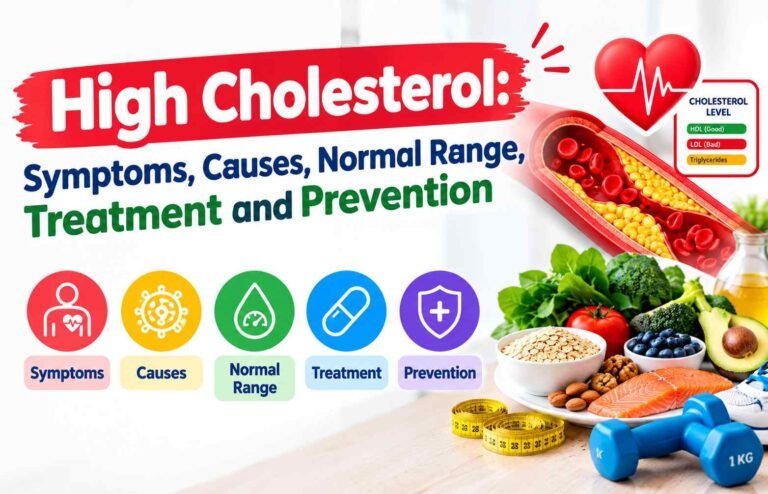
This guide explains high cholesterol symptoms, causes, normal ranges, treatment, and prevention. It also answers common questions about cholesterol and heart health.
What Is High Cholesterol?
Cholesterol is a waxy substance found throughout your body. Your body needs cholesterol to build cells and produce hormones. It also helps your body make substances needed for digestion.
Your liver produces most of the cholesterol your body needs. Foods such as meat and dairy also contain cholesterol. Too much cholesterol in your blood can increase cardiovascular risk.
High cholesterol usually refers to unhealthy levels of blood lipids. These include low-density lipoprotein cholesterol and triglycerides. Your overall risk also depends on other health factors.
A blood test can identify unhealthy cholesterol levels. Doctors use these results to assess cardiovascular risk. They may recommend lifestyle changes, medication, or both.
High Cholesterol Symptoms: Symptoms and Warning Signs
High cholesterol symptoms can be difficult to recognise. Most people experience no clear warning signs. They may feel completely healthy despite elevated cholesterol levels.
This is why routine cholesterol testing matters. Waiting for symptoms can delay diagnosis and treatment. A blood test provides the most reliable way to identify high cholesterol.
Very high cholesterol sometimes causes visible physical changes. These changes are uncommon and require medical assessment.
Possible signs include:
- Yellowish fatty deposits around the eyelids.
- Firm lumps caused by cholesterol deposits around tendons.
- A pale ring around the cornea, especially at a younger age.
These signs do not confirm high cholesterol by themselves. Other conditions can cause similar changes. A healthcare professional can assess them appropriately.
High Cholesterol Symptoms in Men
High cholesterol symptoms in men are usually absent. Men may have elevated cholesterol without feeling unwell. Regular blood testing can identify the problem early.
Men with high cholesterol may develop artery plaque over time. This buildup can restrict blood flow to the heart. It can eventually contribute to coronary artery disease.
Possible complications include chest discomfort during physical activity. Some people experience breathlessness or reduced exercise tolerance. These symptoms need medical evaluation.
Men may have increased risk with certain lifestyle habits. Smoking, inactivity, and diets high in saturated fat contribute. Family history and age also influence risk.
Do not assume that feeling healthy means cholesterol levels are normal. A lipid profile can provide important information about your health.
High Cholesterol Symptoms in Women
High cholesterol symptoms in women are also usually absent. Women may have high cholesterol without obvious physical changes. Routine testing remains important for early detection.
Hormonal changes can influence cholesterol levels throughout life. LDL cholesterol often increases after menopause. Personal risk also depends on genetics and other medical conditions.
Some women develop heart disease due to long-term artery plaque. Symptoms may include chest discomfort, breathlessness, or unusual fatigue. These symptoms require assessment rather than self-diagnosis.
Women should discuss cholesterol screening with their healthcare professionals. This is especially important with diabetes or family history. High blood pressure and smoking also increase cardiovascular risk.
High Cholesterol Causes
Several factors can contribute to high cholesterol. Some factors are controllable, while others are inherited.
Common high cholesterol causes include the following:
Unhealthy Eating Habits
Eating too much saturated fat can raise LDL cholesterol. Common sources include fatty meats, butter, and full-fat dairy. Many fried and processed foods also contain substantial saturated fat.
Trans fats can also worsen cholesterol levels. Check food labels when choosing packaged products.
Lack of Physical Activity
Regular exercise supports healthy cholesterol levels. Inactivity can contribute to unhealthy blood lipid levels. It may also increase the risk of weight gain.
Excess Weight
Excess body weight can affect cholesterol and triglycerides. However, people at any weight can have high cholesterol. Weight alone cannot determine your cholesterol status.
Family History
Genes can influence how your body processes cholesterol. Some people inherit familial hypercholesterolemia. This condition can cause very high LDL cholesterol from childhood.
People with a strong family history may need earlier screening. Discuss your family history with your healthcare professional.
Smoking and Alcohol
Smoking can lower HDL cholesterol and increase cardiovascular risk. Excessive alcohol intake can raise triglyceride levels. Avoiding tobacco supports better heart health.
Medical Conditions
Certain health conditions can affect cholesterol levels. These include diabetes, hypothyroidism, and chronic kidney disease. Some medicines can also influence blood lipid levels.
Your doctor may investigate these factors when reviewing your results.
Cholesterol Normal Range: Cholesterol Levels Explained
Understanding your cholesterol report can help you make informed decisions. Cholesterol is commonly measured in milligrams per decilitre (mg/dL).
The following values are general adult reference points. Individual treatment targets may differ according to cardiovascular risk.
| Test | Generally desirable adult level |
|---|---|
| Total cholesterol | Below 200 mg/dL |
| LDL cholesterol | Below 100 mg/dL |
| HDL cholesterol in men | At least 40 mg/dL |
| HDL cholesterol in women | At least 50 mg/dL |
| Triglycerides | Below 150 mg/dL |
| Non-HDL cholesterol | Below 130 mg/dL |
Higher HDL levels can be favourable, but HDL alone does not determine risk. These values provide general guidance, not a personal diagnosis.
Total Cholesterol
Total cholesterol represents the cholesterol carried in different blood lipoproteins. It includes HDL and LDL cholesterol, alongside other components.
A total level below 200 mg/dL is generally desirable. Your doctor will interpret this alongside your other results.
LDL Cholesterol
LDL means low-density lipoprotein cholesterol. People often call it bad cholesterol. High LDL can contribute to plaque buildup inside arteries.
Lower LDL targets may be appropriate for high-risk patients. People with existing cardiovascular disease may need stricter targets.
HDL Cholesterol
HDL means high-density lipoprotein cholesterol. It helps transport cholesterol back to the liver. People often call it good cholesterol.
Low HDL can indicate increased cardiovascular risk. However, high HDL does not cancel out high LDL.
Triglycerides
Triglycerides are fats that provide energy for your body. They are different from cholesterol but appear on lipid reports. High triglycerides can increase cardiovascular risk.
Diet, alcohol intake, diabetes, and other conditions can affect them. Your doctor can explain what your results mean.
What Is a Normal Cholesterol Level by Age?
Cholesterol levels can change as people grow older. However, there is no single normal range for every age. Adults generally use similar reference values, regardless of age.
Children and teenagers have different recommended cholesterol ranges. Their results require age-appropriate interpretation.
For adults, the usual desirable total cholesterol level is below 200 mg/dL. LDL goals depend on individual cardiovascular risk. Your doctor may recommend a lower LDL target.
Age alone does not determine whether you need medication. Family history, diabetes, blood pressure, and existing heart disease matter. Your overall health helps guide treatment decisions.
How to Reduce Cholesterol Naturally
Healthy lifestyle changes can improve cholesterol levels. They can also reduce your overall cardiovascular risk.
Eat More Soluble Fibre
Soluble fibre helps reduce cholesterol absorption in the digestive system. Good sources include oats, beans, lentils, and chickpeas. Apples and other fruits also provide fibre.
Include these foods regularly in balanced meals. Increase fibre gradually and drink enough water.
Choose Healthy Fats
Replace some saturated fats with unsaturated fats. Suitable options include nuts, seeds, and vegetable oils. Fatty fish provides beneficial omega-3 fats.
Use butter and ghee in moderation. Avoid replacing saturated fats with large amounts of refined carbohydrates.
Exercise Regularly
Regular physical activity supports heart and metabolic health. Aim for at least 150 minutes of moderate aerobic activity weekly. Brisk walking, cycling, and swimming are suitable options.
Start gradually if you have been inactive. Ask your doctor about safe exercise if you have medical concerns.
Maintain a Healthy Weight
Weight management can improve cholesterol for some people. Even modest weight loss may help when excess weight is present. Choose sustainable changes rather than extreme diets.
Stop Smoking
Smoking harms blood vessels and affects HDL cholesterol. Quitting can improve your overall cardiovascular health. Ask a healthcare professional for help if needed.
Limit Alcohol
Excessive alcohol can increase triglyceride levels. Reducing alcohol may help improve your overall health. Avoid alcohol if your clinician recommends complete avoidance.
Sleep Well and Manage Stress
Poor sleep can affect overall cardiovascular health. Chronic stress may also influence lifestyle and metabolic health. Aim for consistent sleep and regular relaxation.
These habits support health but cannot replace necessary medication.
Foods That Help Lower Bad Cholesterol
Food choices can support healthier cholesterol levels. Focus on fibre-rich foods and unsaturated fats.
Helpful choices include:
- Oats and barley for soluble fibre.
- Lentils, chickpeas, and kidney beans.
- Apples, pears, and other whole fruits.
- Leafy greens and a variety of vegetables.
- Almonds, walnuts, and other unsalted nuts.
- Seeds such as flaxseed.
- Fish rich in omega-3 fats.
- Olive, mustard, or other suitable vegetable oils.
Choose whole grains instead of refined grains more often. Prepare meals using grilling, steaming, or baking.
No single food can eliminate high cholesterol. Your overall eating pattern matters more than one ingredient.
Foods to Limit With High Cholesterol
Some foods contain substantial saturated fat. Eating them frequently can raise LDL cholesterol.
Limit foods such as:
- Fatty cuts of red meat.
- Butter, ghee, and cream in large amounts.
- Full-fat dairy products.
- Deep-fried snacks and fast food.
- Processed meats such as sausages.
- Packaged baked goods containing unhealthy fats.
- Foods high in trans fats.
- Sugary drinks and excessive sweets.
You do not necessarily need to eliminate every favourite food. Portion sizes and overall dietary patterns matter. A dietitian can help create a realistic meal plan.
High Cholesterol Treatment
High cholesterol treatment depends on your blood results and overall risk. Your doctor may recommend lifestyle changes first. Some people need medication alongside those changes.
Lifestyle Treatment
Diet and exercise form the foundation of cholesterol management. Your doctor may suggest reducing saturated fat. They may also recommend more fibre and regular activity.
Follow-up testing helps assess your progress. Your treatment plan may change according to your results.
Cholesterol-Lowering Medicines
Statins are commonly prescribed to lower LDL cholesterol. They reduce cholesterol production in the liver. They can also lower the risk of heart attacks and strokes.
Other medicines may suit certain patients. These include ezetimibe and some injectable cholesterol-lowering treatments. Your doctor will select treatment according to your needs.
Never stop prescribed cholesterol medicine without medical advice. Supplements should not replace proven treatment without clinical guidance.
Treat Underlying Conditions
Some medical conditions contribute to abnormal cholesterol levels. Treating these conditions may help improve your results. Your doctor may review your medicines and thyroid function.
High Cholesterol Prevention
Prevention starts with regular, heart-healthy habits. Small changes can make a meaningful difference over time.
Follow these practical steps:
- Eat a balanced diet rich in whole foods.
- Limit saturated fat and avoid trans fats.
- Exercise regularly throughout the week.
- Maintain a healthy weight for your circumstances.
- Avoid smoking and tobacco products.
- Limit alcohol when appropriate.
- Manage diabetes and high blood pressure.
- Know your family history of heart disease.
- Get cholesterol tests as recommended.
- Follow your prescribed treatment plan.
These steps help lower risk, but they cannot remove every risk factor. Genetics and age can still influence cholesterol levels.
How Often Should Cholesterol Be Checked?
Testing frequency depends on your age and medical history. Healthy adults may need testing every few years. People with elevated cholesterol may need more frequent checks.
Diabetes, heart disease, and family history can change screening needs. Your doctor may recommend earlier or more frequent testing.
A lipid profile measures total cholesterol, LDL, HDL, and triglycerides. Some tests require fasting, while others do not. Follow your laboratory’s instructions and your doctor’s advice.
When Should You Seek Medical Help?
Arrange a medical appointment if your cholesterol result is elevated. Discuss your cardiovascular risk and appropriate treatment options.
Seek emergency care for chest pressure or severe breathing difficulty. Sudden weakness, facial drooping, or difficulty speaking may indicate a stroke. Call your local emergency number immediately.
Do not wait for cholesterol symptoms before seeking screening. Early testing can help identify problems before complications develop.
Conclusion
High cholesterol can affect people of different ages and body types. It often causes no noticeable symptoms during its early stages.
Regular blood tests help identify unhealthy cholesterol levels. Healthy eating, exercise, and smoking cessation can support improvement. Some people also need cholesterol-lowering medicines.
Understanding your results helps you make better health decisions. Work with your healthcare professional to choose an appropriate plan. Small, consistent habits can support your heart for years.
Frequently Asked Questions About High Cholesterol
1. What are the symptoms of high cholesterol?
High cholesterol usually causes no noticeable symptoms. A blood test is the most reliable way to identify it. Rarely, very high levels cause visible cholesterol deposits.
2. What is a normal cholesterol level by age?
For most adults, total cholesterol below 200 mg/dL is desirable. LDL below 100 mg/dL is a general reference target. Children have different ranges, and personal LDL goals vary by risk.
3. How can I reduce cholesterol naturally?
Eat more soluble fibre and replace saturated fats with unsaturated fats. Exercise regularly and maintain a healthy weight. Your doctor may recommend medication if lifestyle changes are insufficient.
4. Which foods help lower bad cholesterol?
Oats, beans, lentils, fruits, and vegetables provide helpful fibre. Nuts, seeds, and suitable vegetable oils provide unsaturated fats. Include these foods within a balanced diet.
5. What foods should I avoid with high cholesterol?
Limit fatty meats, butter, ghee, cream, and deep-fried foods. Reduce processed meats and foods containing trans fats. Choose healthier alternatives most of the time.
6. Can high cholesterol occur without symptoms?
Yes, high cholesterol commonly develops without symptoms. People may feel healthy despite elevated LDL levels. Routine blood testing can detect the problem.
7. How do I read my cholesterol blood test report?
Review total cholesterol, LDL, HDL, and triglyceride results. Compare them with your laboratory’s reference ranges. Ask your doctor to interpret them alongside your cardiovascular risk.
8. What is the difference between HDL and LDL?
HDL helps carry cholesterol back to the liver for processing. LDL can contribute to plaque buildup inside arteries. High LDL increases cardiovascular risk.
9. Can a thin person have high cholesterol?
Yes, thin people can have high cholesterol. Genetics, diet, medical conditions, and age influence cholesterol levels. Body weight alone cannot predict cholesterol health.
10. Does high cholesterol cause headaches?
High cholesterol does not usually cause headaches directly. Headaches have many possible causes. Seek medical advice for persistent or unusual headaches.
11. How often should cholesterol be checked?
Testing frequency depends on age, health, and family history. Some healthy adults need checks every few years. People with cardiovascular risk factors may need more frequent testing.
12. Can cholesterol be reduced without medicine?
Some people improve cholesterol through diet and exercise. Others need medication because of their LDL levels or overall risk. Never delay prescribed treatment without discussing it with your doctor.
13. What is a dangerous LDL cholesterol level?
LDL levels of 190 mg/dL or higher are very high in adults. Lower levels can also require treatment when cardiovascular risk is elevated. Your doctor can establish your appropriate target.
14. What is the connection between cholesterol and heart attacks?
High LDL can contribute to plaque buildup in coronary arteries. Plaque may rupture and trigger a blood clot. The clot can block blood flow and cause a heart attack.
15. Which Indian breakfast is good for high cholesterol?
Oats porridge, vegetable dalia, and vegetable poha can be suitable choices. Whole-grain options and fibre-rich ingredients support a balanced diet. Limit excess ghee, butter, and deep-fried foods.
16. Is ghee bad for cholesterol?
Ghee contains saturated fat, which can raise LDL cholesterol. Large amounts may make cholesterol management harder. Use moderate portions and consider unsaturated oils instead.
17. Are eggs safe for people with high cholesterol?
Many people can include eggs in a balanced diet. Individual advice depends on cholesterol levels and other health conditions. Discuss dietary changes with your healthcare professional.
18. Does walking help lower cholesterol?
Regular brisk walking supports cardiovascular health. Physical activity can improve LDL, HDL, and triglyceride levels. Combine walking with a balanced diet and other healthy habits.
19. What is the difference between cholesterol and triglycerides?
Cholesterol helps build cells and produce hormones. Triglycerides store energy for the body. Both appear on lipid tests and can influence cardiovascular risk.
20. When should I see a doctor for high cholesterol?
Consult your doctor if your blood test shows elevated cholesterol. Seek advice sooner with diabetes or a strong family history. Chest pain, sudden weakness, or breathing difficulty requires urgent medical attention.